

Do you want to recognize, engage, and support family caregivers as essential partners in care?
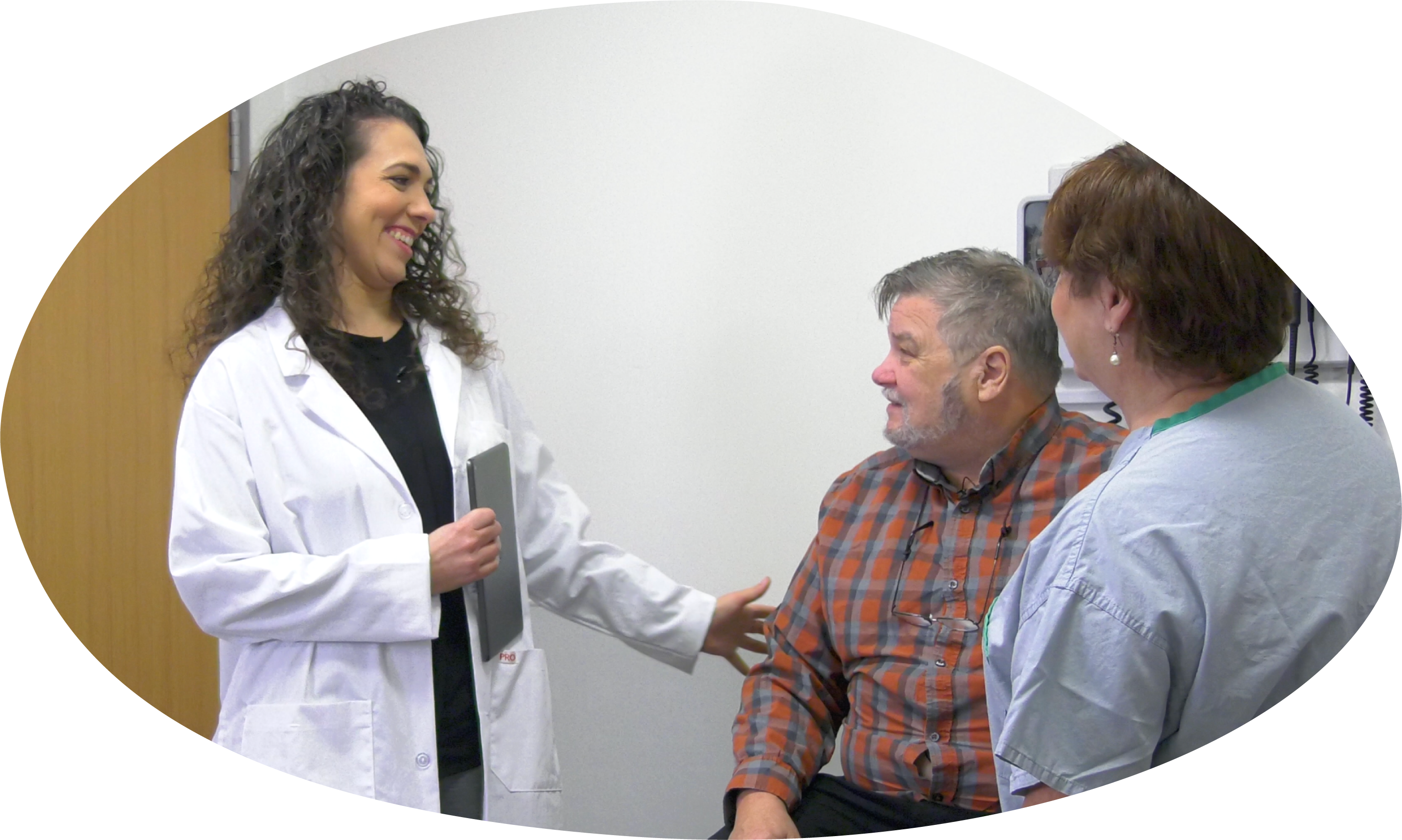


Join our Community of Practice—a space to connect with peers, learn from experts, and share strategies for embedding caregiver partnership into everyday practice.

Family caregivers see things no one else does — the medication that was missed, the
change in mood, the question a patient was too rushed to ask. Yet caregivers are still
too often treated as a "side of the desk" activity rather than partners in care. In this
session, Jayne Hembruff and Leela Taggar draw on caregiver-designed research and
their own lived experience to explore how including caregivers as genuine partners —
not just informants — improves the safety of the patients, residents, and clients we
serve. Join us for a practical look at what caregiver-inclusive, patient-safe care can look
like.

What changes when we look beyond a person’s health problems and ask what matters most
in their everyday life? How do we turn that conversation into care that supports the person’s priorities, includes familycaregivers, and helps people continue doing the things that give their lives meaning?Join Dr. James Adams and Michelle Bull to explore the work of the Guildford Waverleyservices, social care, and the voluntary sector—building the workforce’s knowledge andFrailty Academy. Their system-wide approach brings education into hospitals, communityconfidence to recognize frailty and provide safer, more person-centred care.
The Academy’s work also includes education with people living with frailty and those who care for them, helping them understand what to expect and how to access support.
Together, we will explore three questions:
How can understanding "what matters to me" shape assessment, everyday care, and decisions about net steps?
How can we include family caregivers as partners while respecting the older person's voice and recognizing caregivers' own needs and capacity?
What helps teams move from completing education to changing conversations and care across settings?
Bring your questions and experiences to a discussion about connecting frailty awareness,
caregiver partnership, and practical changes in care. Recognizing frailty is a starting point. Understanding what matters should help shape what happens next.

Family caregiving often brings together different perspectives on what is needed. Health and community providers play a key role in helping caregivers feel heard, supported, and included as partners in care. Join Dr. Barry Jacobs (Clinical Psychologist) and Stephanie Muskat (Social Worker) to explore practical, evidence-informed approaches to navigating these conversations with compassion and curiosity. Learn how to foster understanding, support shared decision-making, and strengthen caregiver-provider relationships in everyday practice.

Learn about Alberta's Adult Day Programs:
Wellness & Prevention
Early support that builds connection, confidence, and independence —before crisis.
Dementia - Club 36
Meaningful, relationship-based engagement that supports dignity and peace of mind.
CHOICE: Rehab, Complex, & Integrated Care
Coordinated, interdisciplinary care that stabilizes health and sustains life at home.